Structural Challenges When Renovating Period Homes in Scotland

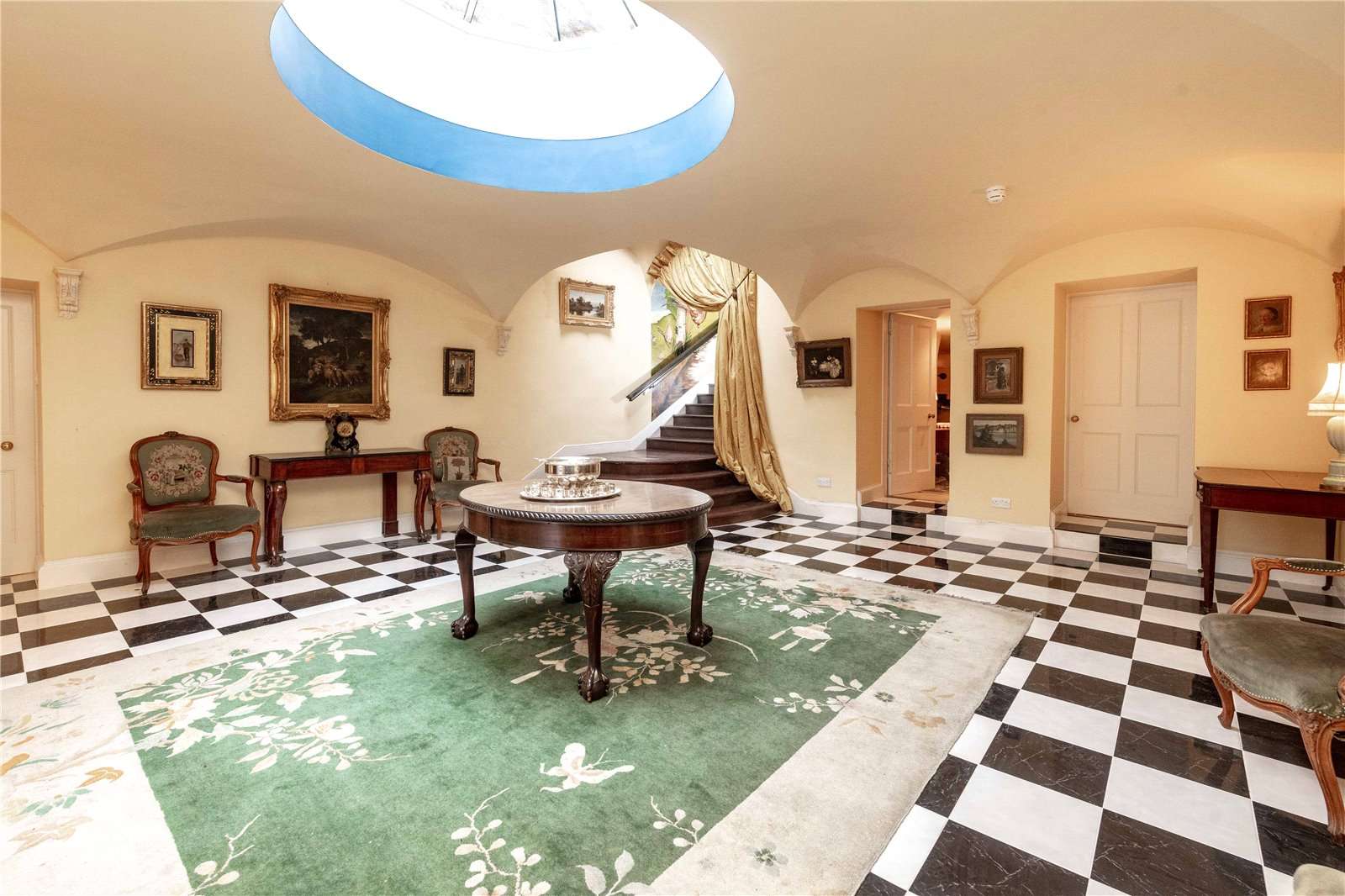
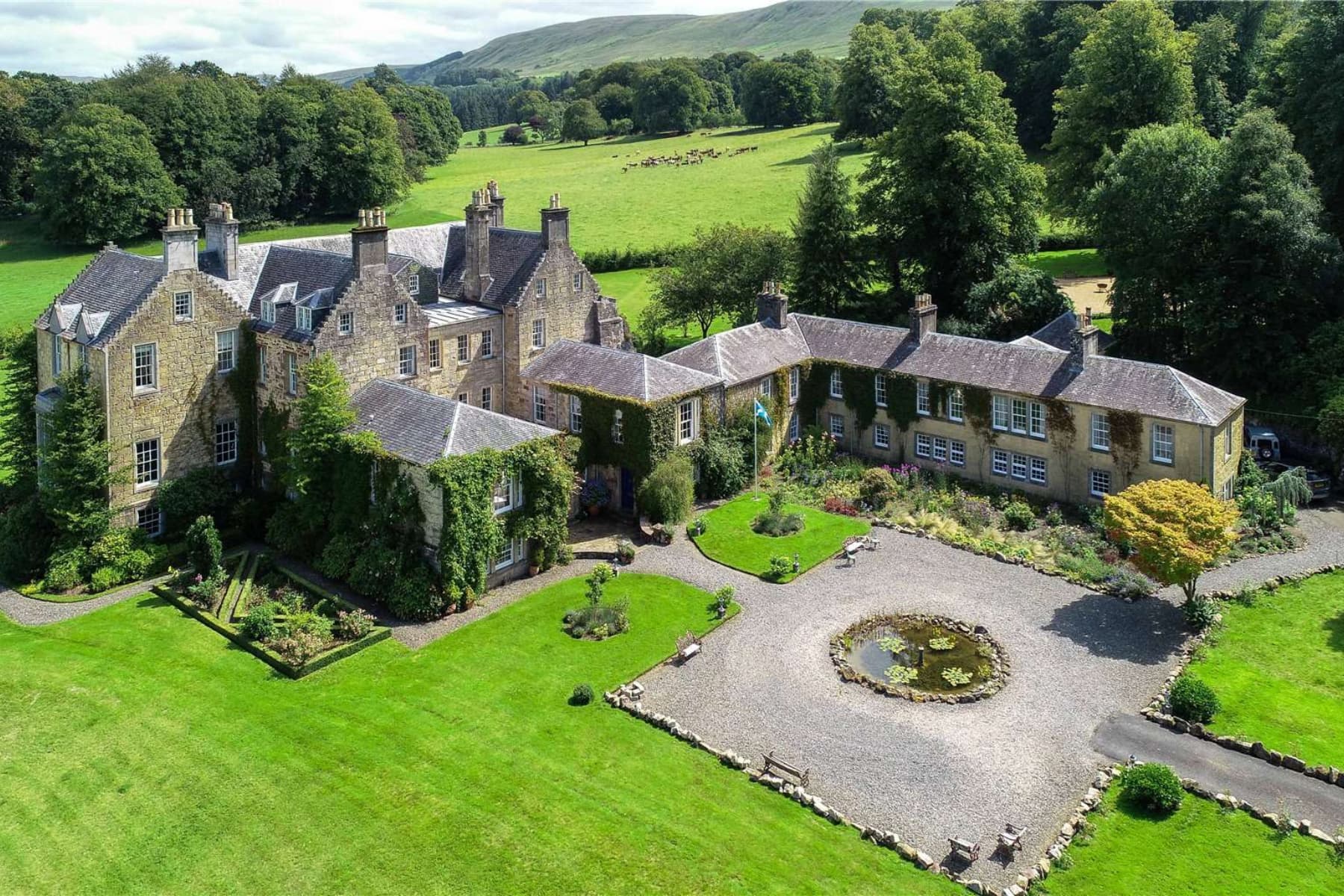
Period homes across Scotland offer architectural character, generous proportions and craftsmanship rarely found in modern housing. Many of these properties are located in established residential areas across Central Scotland, including towns and neighbourhoods surrounding Glasgow, Stirling and the wider region.

While these buildings provide distinctive architectural features, renovating them can introduce structural challenges that must be carefully managed during construction.

Understanding these challenges early in the project helps ensure that renovation work preserves the character of the building while creating spaces suited to modern living.


insights

Ardura Projects

Working with existing building fabric

Unlike new-build construction, renovation projects require contractors to work within an existing structure that may have evolved over many decades.

Original building methods, previous alterations and hidden structural conditions can all influence how a project progresses once work begins on site.

In some cases, the original construction may not match modern structural standards. Walls that appear structural may have been modified previously, and older timber or masonry elements may require reinforcement.

Careful investigation before construction begins helps reduce uncertainty and allows structural engineers and contractors to plan appropriate solutions.

Altering internal layouts

Many period homes were designed with formal room layouts that differ from modern living arrangements.

Homeowners frequently wish to introduce:

  • larger kitchen and living spaces
  • open-plan layouts
  • stronger connections between internal rooms
  • improved natural light

Achieving these changes often requires structural alterations, including the removal of load-bearing walls and the introduction of new steel or engineered structural elements.

These interventions must be carefully designed to ensure the stability of the building while maintaining its architectural character.

Managing design development during construction

Even with careful planning, residential projects often evolve as construction progresses.

Clients may refine their requirements, site conditions may reveal unexpected constraints, or opportunities may emerge once the building fabric is exposed.

A successful architect–contractor relationship allows these developments to be managed constructively. Rather than reacting to issues once they arise, the project team works collaboratively to find solutions that maintain both design quality and buildability.

Communication throughout the build

Clear communication between architect and contractor is essential throughout the construction process.

Regular site meetings allow design details to be reviewed as work progresses and ensure that key decisions are made before problems arise.

This collaborative approach is particularly important on residential projects within established urban areas such as Glasgow and the surrounding towns of the Central Belt, where site access, neighbouring properties and logistical constraints must all be carefully managed.

Supporting architects in managing client expectations

Architects often act as the primary advisor to the client throughout a residential project.

This places them in a position where they must balance design ambition, construction realities and the client’s expectations.

A contractor who understands this dynamic can play an important role in supporting the architect. Transparent communication around programme, construction sequencing and potential risks helps ensure that both architect and client remain informed as the project progresses.

This shared understanding allows the entire team to work towards the same outcome.

The value of experienced construction teams

Architect-led residential projects often require specialist trades and careful sequencing of work.

Bespoke joinery, detailed masonry and high-quality interior finishes all demand a high level of craftsmanship and close coordination between trades.

Contractors experienced in residential construction understand how to manage these trades while maintaining the quality expected in architect-designed homes.

Delivering successful architect-led homes

When architects and contractors work closely together, the result is a project that reflects both the original design vision and the practical realities of construction.

Across Scotland’s Central Belt, from Glasgow and its surrounding towns through to Stirling and the wider region, architect-led residential projects continue to shape many of the country’s most distinctive homes.

When the relationship between architect and contractor is collaborative from the outset, the finished home reflects both architectural ambition and careful construction.

Continue reading

SHARE Social:

Presets Color

Primary
Secondary